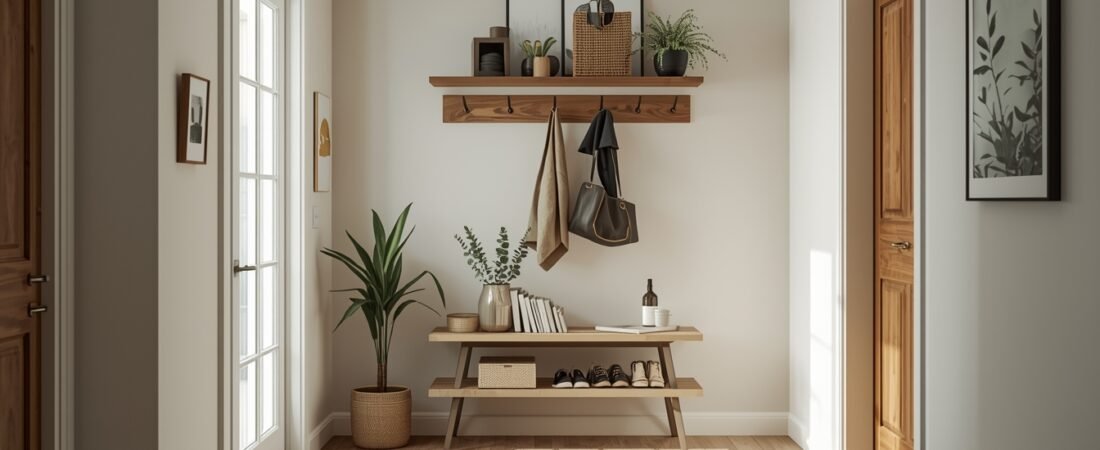
Decluttering is often approached as a large project. Many people set aside time to sort through belongings, remove unused items, and reorganise storage areas. While these efforts can improve how a home functions, large decluttering projects can also feel disruptive to daily routines.
For many households, a slower and less disruptive approach is more practical.
Decluttering does not need to happen all at once
Large decluttering sessions can create pressure to make quick decisions about many belongings. A gradual approach often works better.
- Sorting one drawer or shelf at a time
- Reviewing a single storage category
- Removing unused items during routine cleaning
Daily activities provide natural opportunities
Many opportunities for decluttering occur during normal household tasks.
- Unused kitchen tools noticed while cooking
- Clothing no longer worn during seasonal changes
- Expired products found during cleaning
The broader long-term view is explored in Decluttering and Space Management: Keeping Homes Functional Over Time.
Small storage reviews prevent buildup
- Checking bathroom cabinets for unused products
- Reviewing pantry shelves for expired items
- Sorting household supplies occasionally
These small reviews prevent storage areas from gradually becoming overcrowded.
Reducing decision pressure helps
Decluttering often becomes difficult when people feel pressure to make many decisions quickly.
- Focus on one category at a time
- Make decisions gradually
- Allow organisation to evolve over time
Decluttering can be integrated into normal life
Rather than treating decluttering as a separate project, many households find it easier to integrate the process into regular routines. The relationship between organisation and daily use is explored further in How Organisation Affects Daily Use of Space.