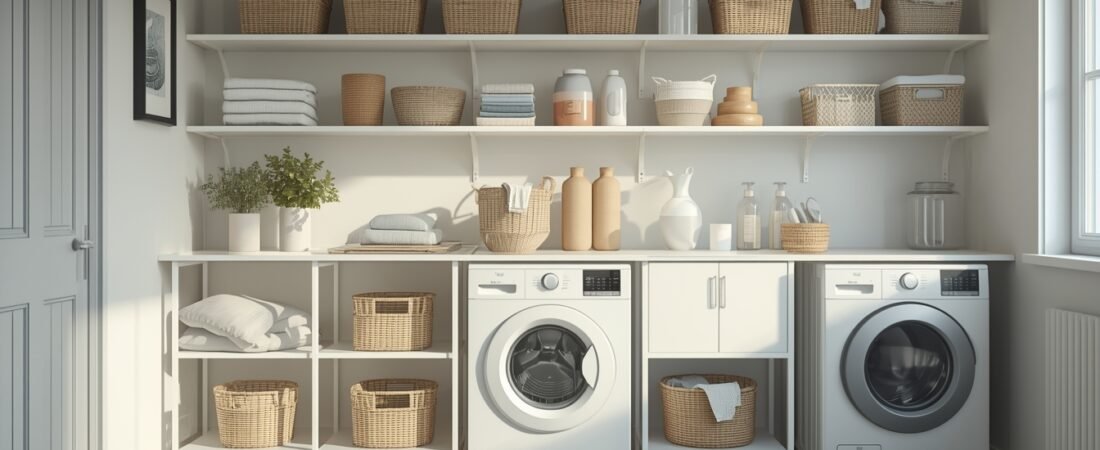
Organisation systems are often designed to keep homes predictable and manageable. Cabinets are assigned specific purposes, shelves hold defined categories of items, and storage areas are arranged to support everyday routines.
Over time, however, even well-designed systems may require adjustment. Household routines evolve, belongings change, and rooms sometimes take on new roles.
Household routines naturally change
- New hobbies or activities
- Changes in work schedules
- New household members
- Shifts in how rooms are used
When routines change, storage locations that once felt convenient may no longer match everyday use.
Storage areas may gradually become crowded
- Items difficult to return to storage
- Surfaces used as temporary storage
- Mixed categories within cabinets
When these patterns appear, small adjustments may help restore balance.
The broader principles behind maintaining functional storage systems are explored in Home Organisation Basics: How Functional Spaces Stay Usable Over Time.
Systems benefit from occasional review
- Sorting storage areas seasonally
- Moving frequently used items closer to activity areas
- Reassigning storage zones when rooms change purpose
Placement influences daily behaviour
When items are stored in locations that support everyday routines, organisation tends to remain easier to maintain. That relationship is explained further in How Organisation Affects Daily Use of Space.
Adjustments support long-term organisation
Organisation systems are not static. Small adjustments made occasionally allow homes to remain functional as routines and belongings evolve.