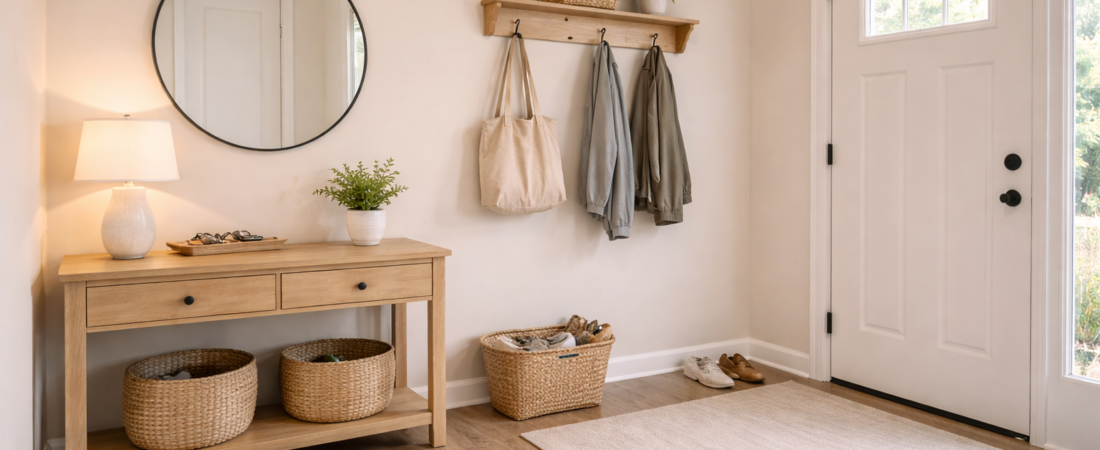
Organisation is easier to maintain when it is supported by simple systems and predictable routines. Without them, even well-organised spaces tend to drift back toward clutter as daily demands compete for time and attention.
Household systems and routines are not about strict schedules or perfection. They provide structure that reduces effort, limits repeated decision-making, and helps organised spaces stay functional over time.
This article explains how systems and routines support organised homes, why they matter, and how to keep them practical rather than burdensome.
Why Household Systems Matter
Household systems define how everyday tasks are handled. They determine where items go, how often spaces are reset, and how responsibilities are shared.
Without systems, organisation relies on memory and motivation. This makes it fragile. When routines are interrupted or energy is low, clutter accumulates quickly because there is no default way to restore order.
Simple systems create predictability. They reduce the mental effort required to manage the home and make organisation less dependent on constant attention.
Simple Routines That Prevent Clutter
Effective routines are small and repeatable. They fit naturally into daily life rather than requiring special effort.
Examples of supportive routines include:
-
Returning frequently used items to their place at the end of use
-
Resetting key surfaces once a day
-
Checking high-traffic areas regularly
-
Addressing small build-ups before they spread
These routines work because they are brief and consistent. They prevent clutter from reaching a level that requires major intervention.
Maintenance Versus Organisation
Organisation establishes structure. Maintenance keeps it working.
Many homes are organised once but lack a maintenance routine. Without ongoing care, even good systems break down as items accumulate or habits change.
Maintenance does not need to be time-consuming. Small, regular actions are more effective than occasional large efforts. When maintenance is built into routine, organisation becomes easier to sustain.
Keeping Organised Spaces Functional
Organised spaces remain functional when systems reflect how spaces are actually used. If a system feels inconvenient, it is unlikely to last.
Functional systems:
-
Match storage to item frequency
-
Avoid unnecessary steps
-
Support existing habits
-
Are easy to reset after disruption
When systems support daily behaviour, they require less effort to maintain.
When to Adjust Systems Over Time
Household systems are not permanent. As routines, household members, or priorities change, systems may need adjustment.
Signs a system needs review include:
-
Items regularly left out
-
Storage areas becoming overcrowded
-
Increased effort to maintain order
-
Avoidance of certain tasks or spaces
Adjusting systems early helps prevent frustration and overload. Small changes are often enough to restore balance.
Avoiding Overcomplicated Systems
Complex systems tend to fail. When organisation requires detailed rules or frequent reconfiguration, it becomes difficult to maintain.
Simple systems are easier to follow and adapt. They allow for minor disruptions without collapsing entirely. This resilience makes them more suitable for long-term use.
Organisation works best when systems fade into the background rather than demanding attention.
Routines as Long-Term Support
Routines provide continuity. They create a rhythm that supports organisation even during busy or stressful periods.
Rather than enforcing strict schedules, effective routines act as gentle prompts. They guide behaviour without adding pressure.
Over time, these routines help homes remain functional with less effort and less stress.
Looking Ahead
Household systems and routines form the backbone of organised living. They support the work done through organisation, storage, and space management.
With these foundations in place, homes are better able to adapt to change without becoming difficult to manage. Together, these topics complete a practical framework for maintaining organised, usable spaces over the long term.
Related Guides
The following guides explore how everyday household routines and small systems influence whether organised spaces remain functional over time.