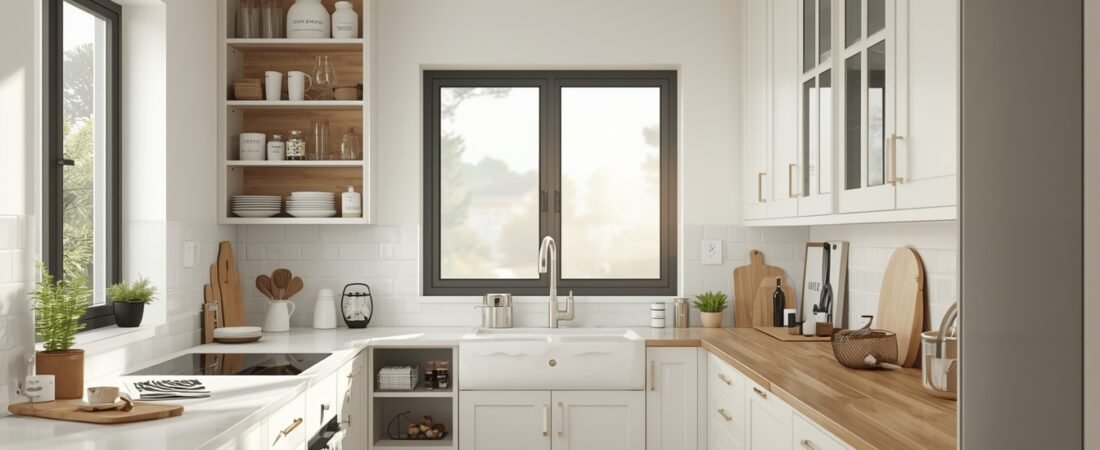
Storage systems are often introduced with the intention of reducing clutter and making a home easier to manage. Shelves are added, containers are purchased, and cabinets are reorganised so that belongings have a clear place to be stored.
However, some storage decisions can unintentionally create new clutter over time. Even well-intended solutions may introduce complications if they do not match how items are actually used.
Adding storage without reducing item volume
One common mistake is adding more storage space without addressing how many items are being stored. When additional shelves, bins, or cabinets are introduced, they often provide room for even more belongings.
- Storage spaces gradually become crowded.
- Items become harder to locate.
- New storage solutions are added to manage growing volume.
Using containers that hide mixed categories
Containers are frequently used to group items together and create visual order. While they can be useful tools, they may also hide disorganisation when used without clear categories.
- Containers begin holding unrelated items.
- People forget what has been stored inside.
- Finding specific items becomes more difficult.
Placing storage where it is difficult to use
Another mistake occurs when storage locations are chosen based on available space rather than daily use.
- Tools left on counters because the toolbox is stored elsewhere
- Utensils placed near cooking areas instead of in distant drawers
- Everyday items stored on tables rather than in high cabinets
Those routine consequences are explored more fully in How Organisation Affects Daily Use of Space.
Creating too many small storage areas
Some systems introduce many small containers or compartments in an effort to keep items organised. While this may appear structured at first, it can also make systems more complicated to maintain.
Choosing systems that do not match habits
Storage solutions are sometimes chosen because they appear efficient or visually tidy, but they may not reflect the habits of the people living in the home. The broader principles behind practical storage choices are discussed in Storage Solutions Explained: Choosing Storage That Actually Works.
Storage works best when it supports simplicity
Effective storage systems are usually simple and easy to maintain. They provide enough space for belongings without creating unnecessary complexity.